Before you start
- The photo assessment should describe its limitations.
- The estimate includes required details, work, inspections, and acceptance criteria.
- Safety systems and manufacturer requirements are taken into account when determining the rate.
Gather materials for the preliminary assessment
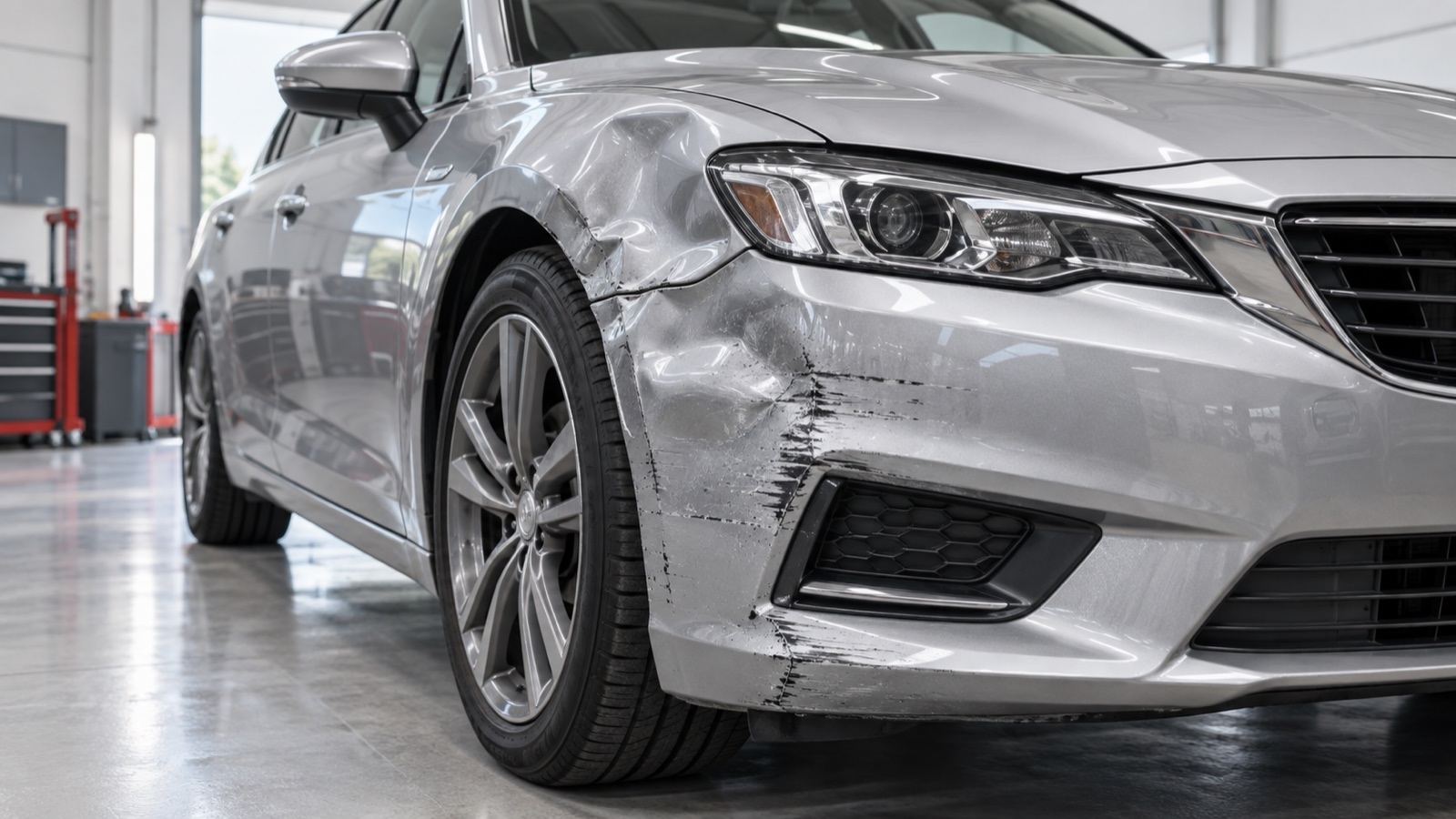
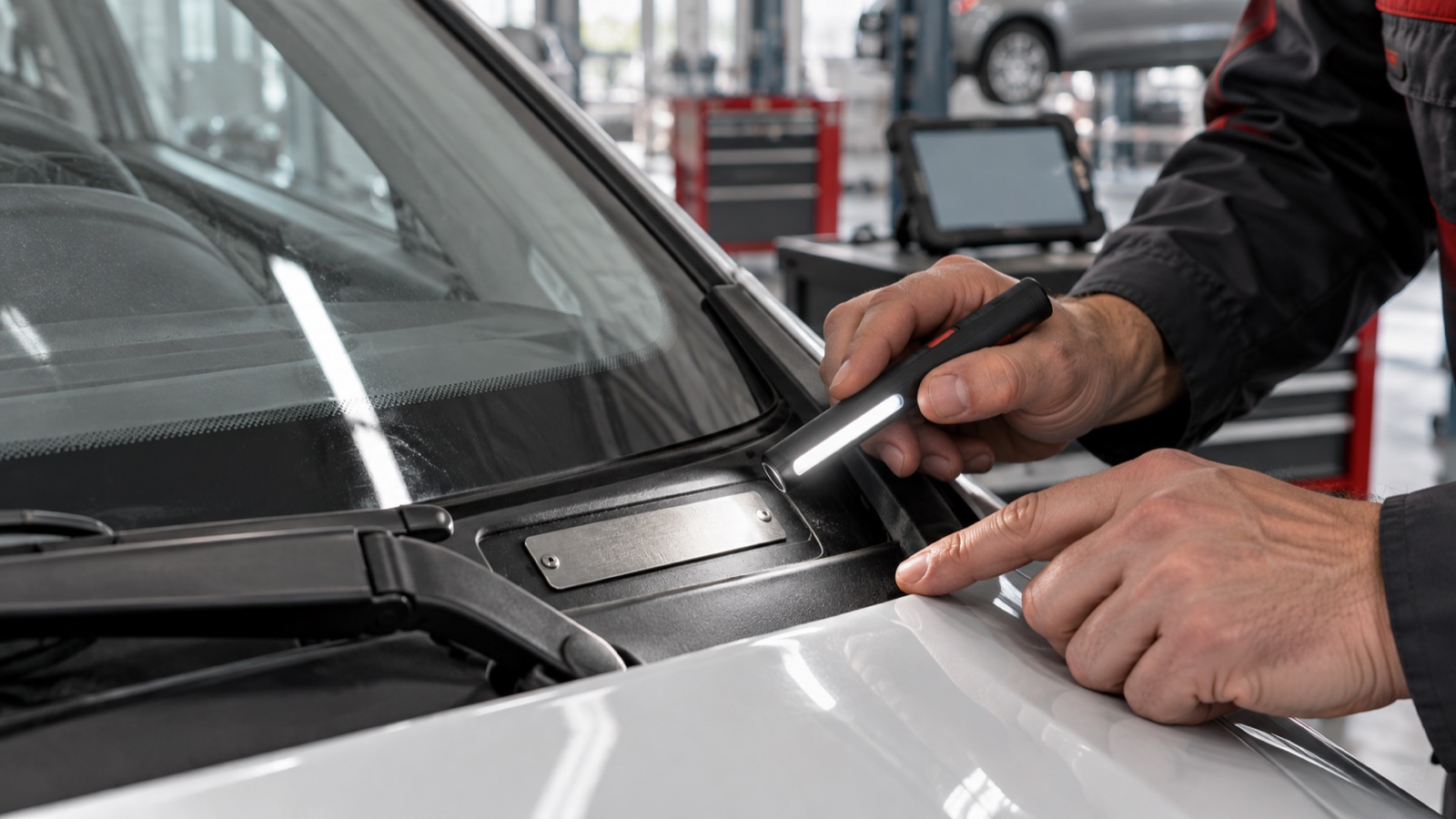
An accident repair estimate starts with a complete set of available data. Provide the repair shop with the VIN, lot number, photos from all angles, damage description, start-up information, and available inspection materials. Include the exact equipment: outwardly similar cars may have different parts and equipment.
Ask the technician to break down the report into visible damage, reasonable assumptions, and areas without sufficient data. For example, the lack of a photo under the cladding means that its condition is not yet known. The preliminary estimate should clearly state this so that you can determine the required inspection and the acceptable risk before bidding.
Break down repairs into separate work groups
A handy estimate includes bodywork, parts, paint, mechanicals, electrical, safety systems, and diagnostics. Each line item requires a description, quantity, estimated cost, and basis for the estimate. A total without a list doesn't make it clear whether fasteners, related materials, and required inspections are included.
For parts, record the part number or compatibility requirements, the type of offer, and the delivery date. The difference between the two quotes may be due to different scope of work or parts with different configurations. Ask to have the offers brought to the same list before choosing the lowest total.
Separately agree on the body and safety systems
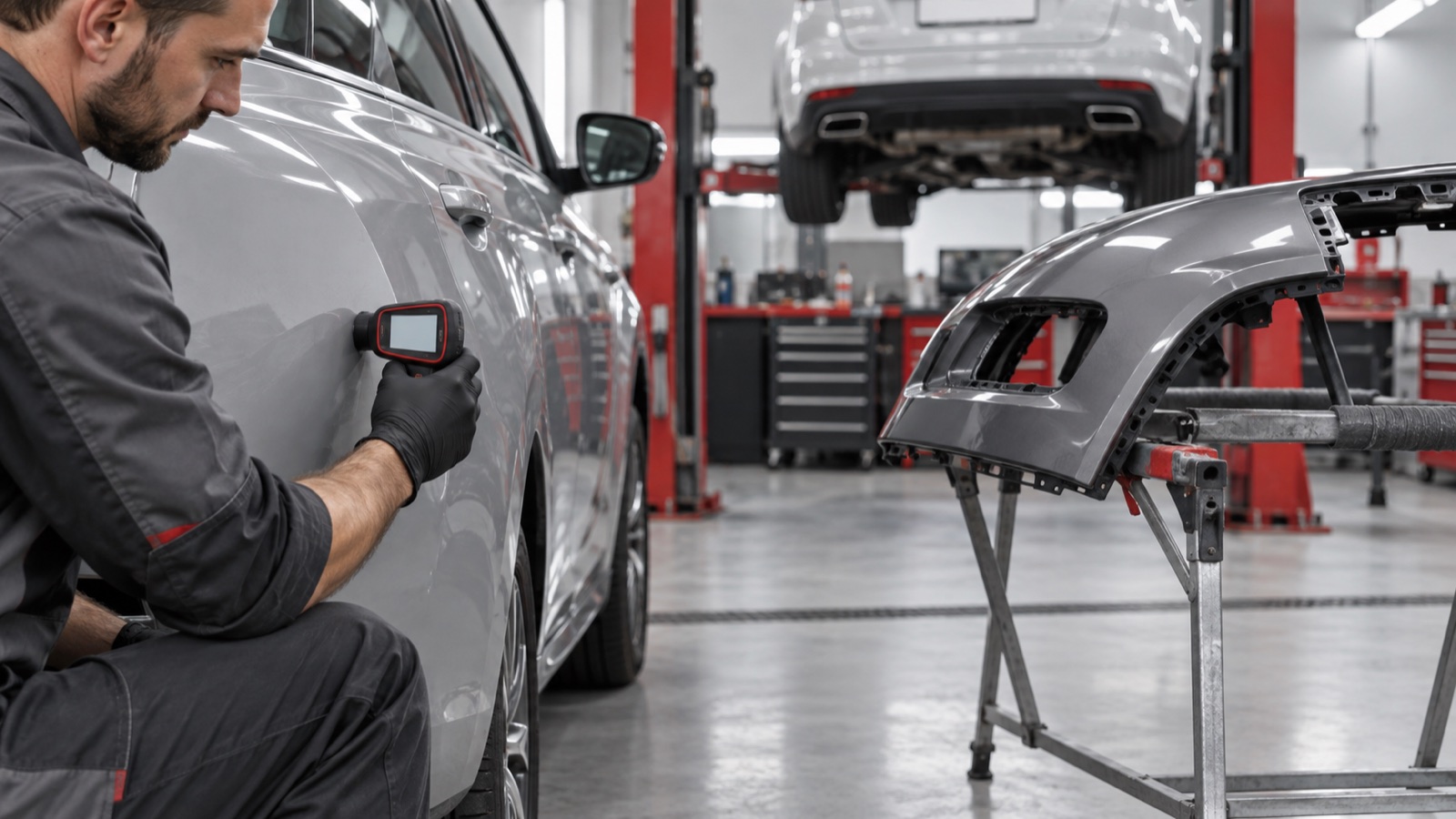
If the nature of the impact raises questions about the power elements, ask a specialist to determine the necessary measurements and procedures according to the manufacturer's documentation. It is also necessary to find out the condition of belts, airbags, sensors and electronic systems. The restored appearance in itself is not a criterion for a completed repair.
For driver assistance systems, ask to determine if checks and calibrations are required after scheduled work. Ford’s I-CAR materials emphasize using the manufacturer’s appropriate procedures. Do not assume that “calibration is always necessary” or “if there is no error, there is no need to check anything” is a universal statement.
Agree on actions if additional defects are found after disassembly
The preliminary estimate should indicate the work that can only be confirmed after inspection or disassembly. Agree on the procedure for clarification: the craftsman provides photos and explanations, you receive an updated amount, and additional work begins after approval. Also record the method of communication and the responsible contractor.
A reserve is not a substitute for monitoring the scope of repairs. It is needed to account for unknowns, but each use of funds should be explained with a specific item. If a potential problem may exceed your budget before you buy, order an additional inspection or consider another lot. A lower starting estimate does not make repairs cheaper.
Determine what confirmations you will receive after the repair
When agreeing on the estimate, write down the acceptance criteria. You will need a list of the work actually performed, the parts used, the results of any necessary inspections, and an explanation of any delayed work. If measurements or calibrations were performed, agree to receive the relevant reports. This makes it easier to compare the results with the agreements.
The final inspection should be tailored to the nature of the repair and the requirements of the specific vehicle. Clarify in advance who will perform it, what is included in the cost, and how any issues will be addressed. Keep the documents with the vehicle history: they are useful for future maintenance and will help explain what exactly was repaired.
- The scope of the repair is agreed with the list of parts and work.
- The need for measurements, diagnostics and calibration has been identified.
- Additional defects are agreed upon prior to the work being performed.
- The acceptance criteria and list of reports are written in advance.
Frequently asked questions
Is it possible to accurately calculate the repair cost based on photos alone?
Photos allow for a preliminary assessment of the apparent condition. Unverified areas and assumptions should be noted separately; accuracy is confirmed by inspection and necessary diagnostics.
Why do two workshops quote different amounts?
They may take into account different details, work, materials and inspections. Compare the same list and find out which items each workshop left out of the estimate.
What document should I receive after recovery?
An agreed list of work performed and parts and inspection reports that were required for this repair. Their composition should be determined with the contractor in advance.