Before you start
- The choice starts with the passengers and things you are transporting.
- The child seat must be checked for compatibility with a specific vehicle.
- Compare the equipment and condition of the lots, not just the model names.
Describe family trips in specific details
Before you look for a family crossover from the USA, make a typical scenario: how many adults and children drive every day, do you need space for a third passenger in the back, what you take on weekends. Add a stroller, suitcases, sports equipment or a pet carrier. Such a list will quickly eliminate options that look good but are inconvenient in your life.
Also check the parking space. Note the available width, entry height and door opening space. A large body may provide more space inside, but you need to evaluate the entire daily route: dropping off the kids, yard, garage, shopping mall and trips out of town. Don’t choose dimensions based on photos alone.
Check child seats and passenger seating
NHTSA recommends that you choose a child seat based on your child's age and size and check that it is suitable for your vehicle. Follow the instructions for the seat and the vehicle for installation. The seating capacity rating does not prove that your child seat will fit comfortably and correctly in the back seat.
If possible, try your seats in a car of the same configuration. Check the access to the belt buckles, the position of the front seats and the space for seating. For a specific lot, an assessment of the condition of the belts and safety systems after damage is required separately. The comfortable interior and the confirmed condition of the car should be checked together.
Rate the trunk with your belongings
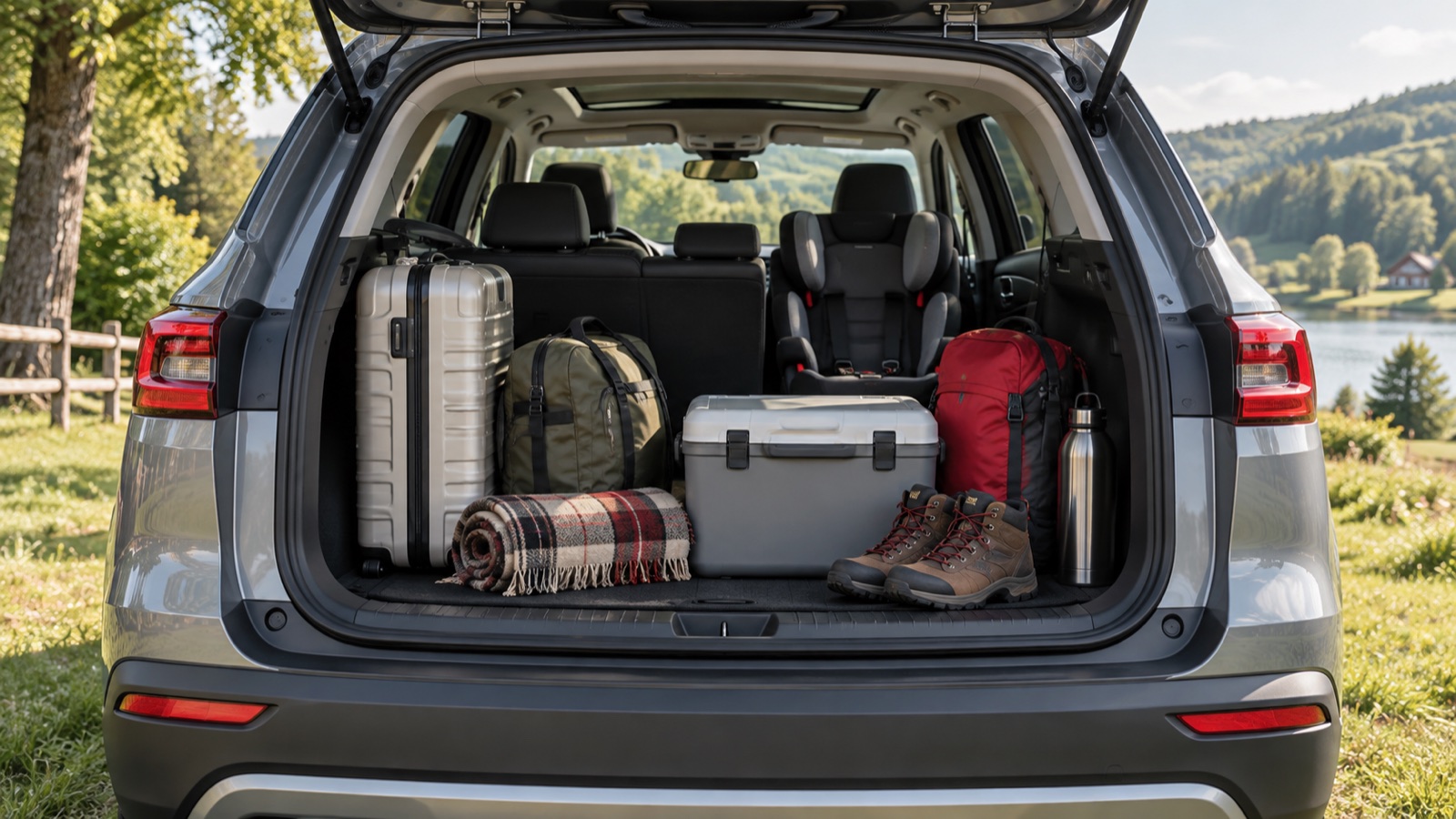
The catalog volume of the trunk is useful for initial comparison, but does not describe the shape of the opening, the height of the threshold and the space under the curtain. Make a list of the largest items and measure them. Ask for the necessary dimensions or check a similar car in person. If the daily stroller will require you to fold the seats every time, it is important to know this in advance.
Think about the trip with all passengers. Will there be room for luggage, will additional equipment be needed and where will it be stored? For a seven-seater, evaluate the luggage compartment with the third row up. Compare identical seating positions so that numbers and photos don’t give a false impression of practicality.
Link the engine, drive, and wheels to the route
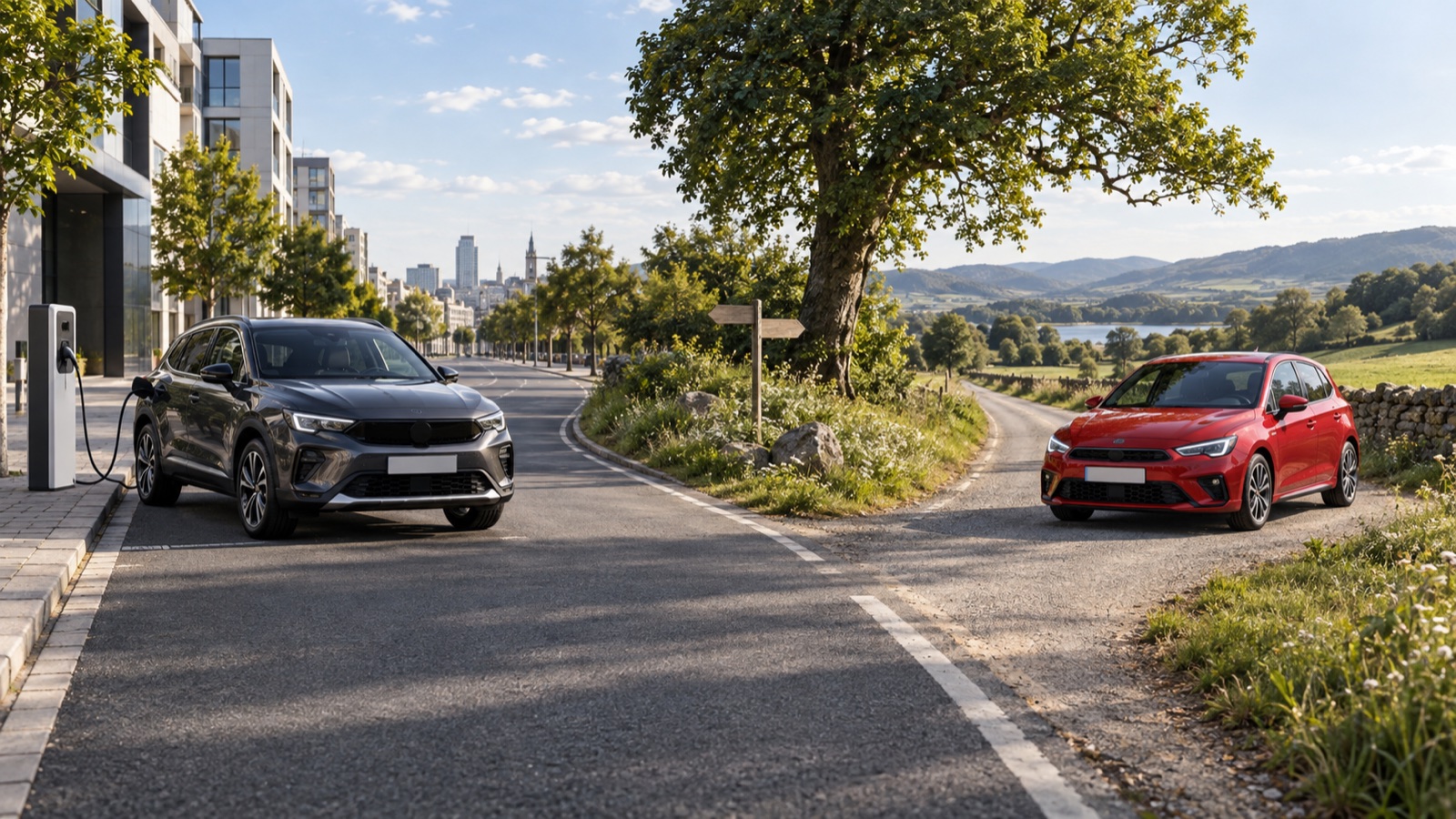
Separately, write down where you drive most of the year: city, highway, country roads or regular winter climbs. Based on this list, evaluate the type of powertrain and drive. The more expensive equipment should give you the capabilities you need. Don’t add options to the mandatory ones just because they look good on the equipment list.
Check the cost of the right size tires, availability of service and initial work for a specific modification. In a family budget, these are the same real costs as the price of delivery. If you are considering a hybrid or electric car, add the appropriate usage scenario and, if necessary, charging to the comparison.
Compare multiple models and then specific lots
In the first stage, leave two or three models that have passed the space, fit and budget check. In the WonderCar demo catalog, you can compare examples of models and save interesting options. The photos there illustrate the models; the availability of the actual car and its condition should be checked in a separate offer.
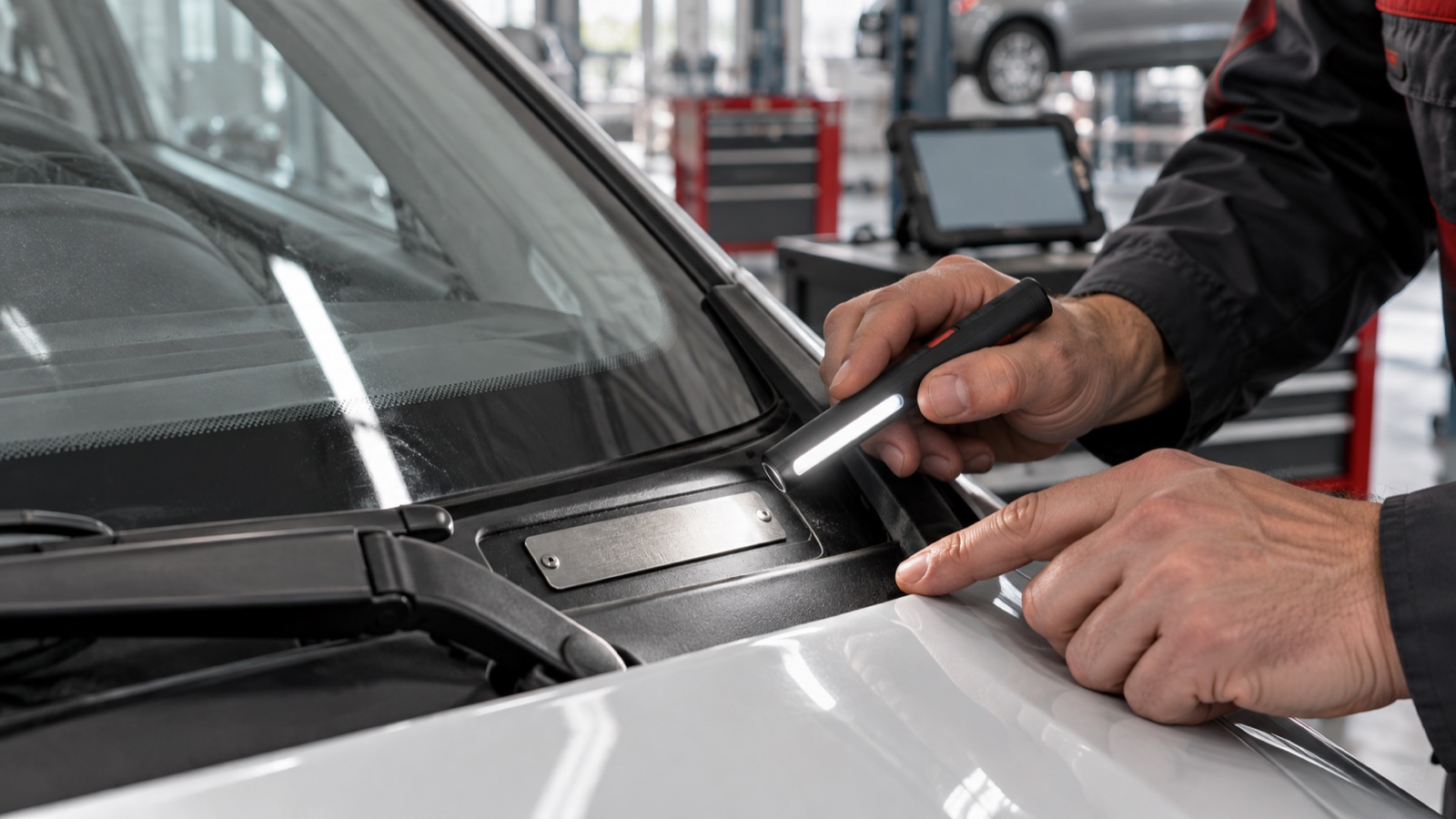
At the auction stage, go back to the VIN, documents, damage, and estimate. Don’t sacrifice a specific car inspection for the sake of color or an additional option. Make a short list of indispensable requirements, desired options, and reasons for rejection: it will help you maintain priorities when an attractive lot comes up for auction.
- Passengers and child seats are placed according to the instructions.
- Daily luggage fits into the desired cabin configuration.
- The dimensions are suitable for parking and routes.
- The lot has verified documents, condition, and a full estimate.
Frequently asked questions
Is a larger crossover always more family-friendly?
The decision depends on the seating arrangement, the shape of the trunk, the seats needed and the parking space. Check these conditions, not just the length of the body.
How do I know if three child seats will fit?
You need to check the compatibility of specific seats with the car according to the instructions and their correct installation. The width of the back row or the number of seats is not enough.
Where to start if you don't have a favorite model yet?
Set requirements for passengers, baggage, routes, and a total budget. Leave a few models behind, and then move on to checking specific offers.